MA Theatre for Community and Education
Validated by University of East Anglia
Application Deadline: Aug 3 2026 at 9:00AM
2026/27 Course Fees
Interview fee : FreeUK/ROI students : £5,295
International students : £10,155
Explore the course:
Course Overview
This 2-year, part-time MA is a creative and challenging exploration into the power of socially engaged arts. We aim to develop the next generation of cultural leaders and interdisciplinary theatre practitioners. Graduates will lead the way in providing meaningful, inclusive arts experiences that address social, political and educational issues in a broad range of settings.
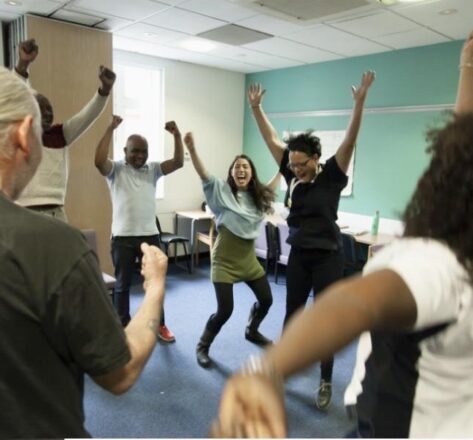
The course offers a holistic programme that invites creative reflection on the power of storytelling for social transformation. Students address complex issues in critical and creative ways, considering the role of arts in education, migration and exile, health and building communities. You’ll engage with course learning through practical exploration, collaboration, group discussion, independent study and reflective practice.
Delivered part-time, we welcome applicants from all backgrounds, including professionals working in youth, community and/or education settings as well as performers looking to develop and diversify their practice.
There is one day of in-person teaching each week, with one additional Friday and Saturday each term.
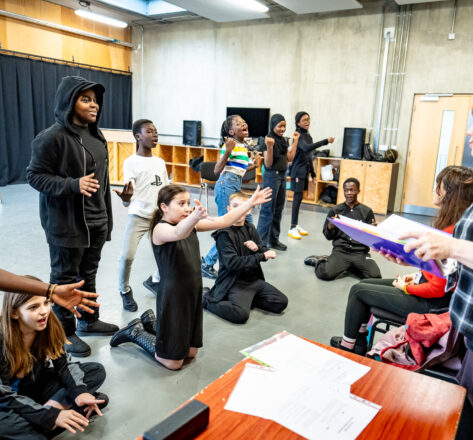
Throughout the course students develop skills in critical thinking, facilitating, devising, leading, producing, discussing and teaching creatively and imaginatively. Study involves workshops, lectures and seminars as well as independent collaborative and solo practice/research. Students are assigned weekly reading materials to digest course themes and engage in learning through independent study.
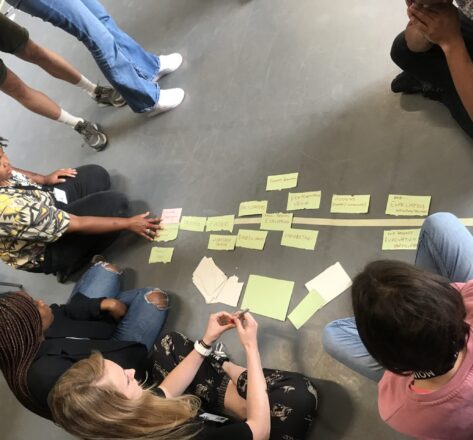
Reciprocal and collaborative learning is embedded into course practice. Students are provided with opportunities to design and lead practical workshops for one another, to bring topics for facilitated discussion with their Course Leader and to choose areas of focus for specific assessments, based on their interests and experiences.
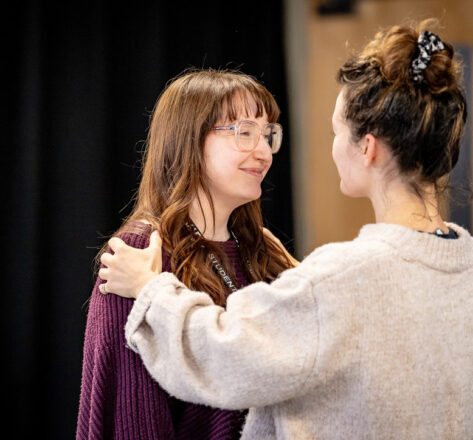
Practical areas of study include collaborative and ensemble techniques, forum theatre, arts for wellbeing, devised theatre, inclusive and trauma informed practices, arts and money, decolonial feminist approaches, facilitating in multilingual and multifaith spaces, and ethics in artistic practice.
Students gain practical experience running workshops in schools, both in Peckham and further afield – previous locations include Spain and Nigeria.
Students engage in a wide range of texts such as Theatre of the Oppressed by Augusto Boal, Teaching to Transgress: Education as the Practice of Freedom by bell hooks and Theatre for Living: The Art and Science of Community-Based Dialogue by David Diamond.
Assessments are varied and include essays, talks, education packs, presentations, and workshop samples.
Course Content
Applied Theatre Practice & Pedagogies
Principles and practices in theatre-making
Understanding teaching pedagogies
Methods and approaches
Forum Theatre
Ritual Theatre
Ethics and Decolonial Feminism
Approaches to Learning and Education
Theatre in Education
Education as a practice of liberation
Teaching, learning, facilitating
Alternative approaches to learning
Games, skills, exercises
Trauma informed practice and dramatherapy
Business & Management
Funding and finance
Marketing and communications
Strategies for freelance practitioners and companies
Designing your own community project
Creative producing
Ethical practice and sustainable arts
Policies & Agendas
Policies that shape the theatre and cultural sector
International politics, culture and social change
Engagement, participation, access
Addressing inequalities within cultural institutions
Contemporary Arenas & Praxes of Applied Theatre
Sites and situations of applied theatre
Designing projects for/with participatory groups
Developing your creative practice
Creative approaches to evaluation
Co-creation, devising and youth
Creative Learning & Cultural Leadership
Museums and galleries
Cultural leadership, ethics and collaboration
Colonial legacies and social justice
Immersive arts, storytelling and gamification
Decolonial possibilities: present and future
The final dissertation project is defined by the individual’s specific area of interest and can be practice-based or written. Previous projects have involved collaborations with a range of communities and organisations. Past students have opted to participate in placements within a variety of world-class arts organisations such as Royal Court Theatre, London Bubble Theatre, Bristol Old Vic, Harris Academy Peckham, The Migration Museum, Springboard Youth Academy, Wales Millenium Centre and Theatre Peckham.
Research has been presented through a variety of mediums including presentation, educational toolkit, workshop facilitation, performance, dance and video content.
Previous project titles include:
- African Arts: Introducing Theatre to the Cultural and Creative Arts Curriculum, A Nigerian Case Study
- No One’s Land: Utilising Forum Theatre to Enhance Understanding and Improve Perceptions of Refugees, Immigrants and Asylum Seekers
- Creative Transformations in Dementia Care: Enhancing wellbeing for people with dementia through theatre and storytelling
- School of Revolution: Facilitating socio-political consciousness and agency through theatre for young people in the classroom today
Full Module Specifications document: MA Theatre for Community and Education – Module Specifications 2025-26
Course Dates
Autumn term 10 September – 10 December 2025
Spring term 14 January – 25 March 2026
Summer term 15 April – 24 June 2026
Teaching takes place on Wednesdays, plus one additional Friday and Saturday per term.
Autumn term 18 September – 11 December 2025
Spring term 15 January – 26 March 2026
Summer term 16 April – 25 June 2026
Teaching takes place on Thursdays, plus one additional Friday and Saturday per term.
Autumn term 10 September – 10 December 2026
Spring term 7 January – 25 March 2027
Summer term 15 April – 17 June 2027
Teaching takes place on Thursdays, plus one additional Friday and Saturday per term.
Autumn term 16 September – 9 December 2026
Spring term 6 January – 24 March 2027
Summer term 14 April – 16 June 2027
Teaching takes place on Wednesdays, plus one additional Friday and Saturday per term.
Graduates
The course equips graduates for versatile and impactful careers both in the UK and internationally, and alumni have gone on to work in a range of areas including:
- Launching their own arts companies
- Leadership positions within major cultural organisations
- Workshop facilitators and practitioners in higher education environments
- Public sector positions related to youth participation
- Working on international arts-based programmes
Graduate destination organisations include: BBC, British Film Institute, British Youth Music Theatre, Bush Theatre, Clod Ensemble, Complicité, Creative Futures, Kindred Collective, Lambeth Council, Magpie Dance, Mountview, The Northwall Arts Centre, Theatre Peckham, The Multistory Orchestra, Turtle Key Arts, Wales Millenium Centre, West End in Schools and Westway School of Performing Arts.
“Despite everything that is happening in the world, I feel full of love and hope. The MA Theatre for Community and Education course has reminded me how essential it is to create and nurture communities where we support and care for one another. That sense of connection and solidarity feels more important than ever.”
Entry Information
Admission onto the course is by interview. Applicants must be aged 21 years or over at the start of the course. Students who do not hold an undergraduate degree will need to undertake an access assignment to establish suitability for undertaking the MA.
If an applicant requires a student visa and their first language is not English, they will need to prove their knowledge of the English language before applying for their student visa. This must be demonstrated by passing a Secure English Language Test (SELT) from an approved provider or having a GCSE, A level, Scottish National Qualification level 4 or 5, Scottish Higher or Advanced Higher in English, gained through study at a UK school that they began when they were under 18.
Mountview welcomes applications from people with disabilities and is keen to support all applicants to achieve their best. If applicants have any special requirements or access needs, these should be discussed with the course leader/administrator.
Mountview is committed to a comprehensive policy of equal opportunities for students in which individuals are selected and treated on the basis of their relevant merits and abilities. No applicant will receive less or more favourable treatment on grounds of sex, gender, sexual orientation, age, ethnic origin, disability, religion and marital/parental status or any comparable grounds.
Fees
| Interview fee | Free |
| UK/ROI students | £5,295 |
| International students | £10,155 |
All fees listed are for 2026/27 entry. Fees are subject to annual review. One term’s notice will be given of any increases.
Full terms and conditions relating to audition payments and refunds can be viewed here.
Funding and ScholarshipsInterview information
You will take part in a first round interview with the course leader at which you will discuss your interests, influences and previous experience. This may take place online or in-person.
Please be aware that due to the limited amount of places available, this course may become full before July and in this event applications will close early. Please apply earlier to avoid disappointment.
Auditions and InterviewsStaff
Course Leader
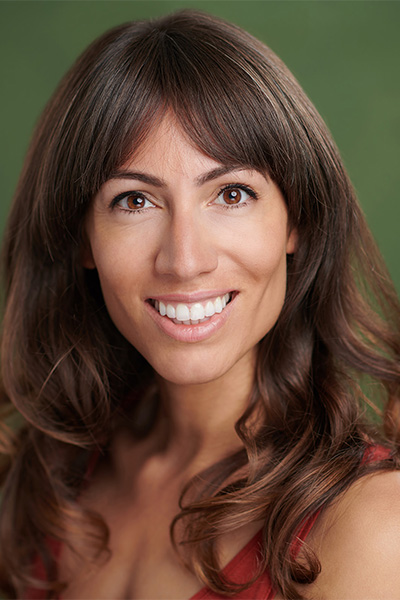
Maria Askew, Head of MA Theatre for Community and Education
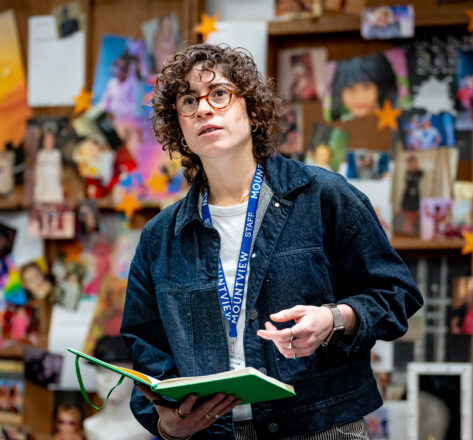
The course is led by Maria Askew, an award-winning theatre director, facilitator and performing artist, alongside a range of highly experienced practitioners and visiting tutors. Lecturers hold expertise in a variety of areas such as applied theatre, co-creation, youth led work, dramatherapy, critical consciousness, marketing and communications, international politics, funding community projects, and theatre in the criminal justice system.
Teaching is also delivered by representatives from a range of world class organisations such as Clean Break, Brixton House, Unicorn Theatre, Turtle Key Arts, Access all Areas, Clod Ensemble and Candoco Dance Company.
You can read an interview with Maria Askew and other course tutors here.
Course Practitioners